We met at IIM Indore in 2006. Ajay went into e-commerce, Robin into marketing. Over the last 18 years, we've built products, grown brands, owned P&Ls, managed marketing budgets and scaled digital businesses from the inside.
Today, we bring that experience to a handful of ambitious D2C brands.

He started in 2008 in media before moving into e-commerce as part of NDTV's ethnic wear venture, serving customers in India and abroad. Then Hindustan Coca-Cola asked him to deliver soft drinks to homes in Bangalore — simple, until you try building a route-to-market out of bottling plants and company distributors.
At Apollo 24|7, he built two-hour medicine delivery when the rest of the category was quoting two days, and scaled web and mobile app to 20k+ orders per day.
At Hero Cycles, he got distributors thinking online — holding inventory, delivering the kind of experience customers already expected from marketplaces. At Akasa Air, he owned the P&L for direct sales across the website and app.
Different industries, same job every time: get people to buy directly, at a price that still leaves money on the table for the business.
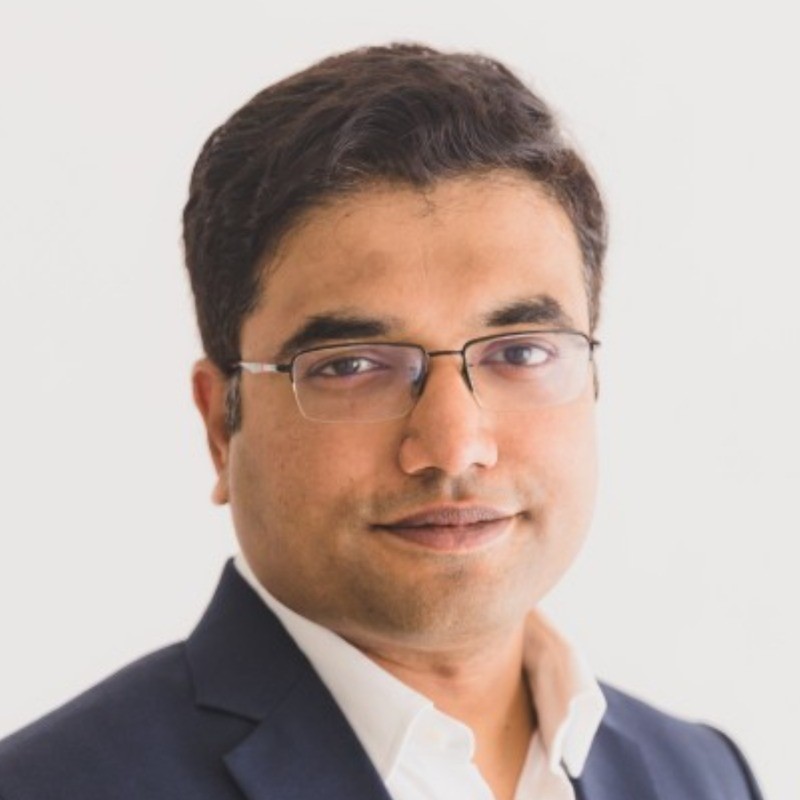
Google paid Robin for digital work before any employer did. He was blogging in the mid-2000s and AdSense started sending money. Small money, but it made the point early: attention can be built from nothing and turned into revenue.
At NIIT the job was two things at once: grow admissions, and bring down what it cost to sign up a student. Digital did both, until the volume hit a 200-person telesales floor that couldn't keep up. Fixing the marketing meant fixing the phone calls too.
Then four years at Orientbell, taking a tile website to No.1 in the category and then making it sell. Not a brochure. Some people bought online, but most walked into a store having already picked their tiles on the site, which meant the website was doing the selling either way.
At IndiaMART, running marketing for India's largest B2B marketplace, he built an influencer programme with thousands of small creators instead of a handful of famous ones. Cheaper per rupee of trust, much harder to run.
Education, tiles, B2B marketplaces. Same job every time: cut what a customer costs to win, and don't let it creep back up as you scale.
We started this because AI now does what agencies used to bill for — creatives, decks, media plans. Most agencies haven't caught up. They're still selling deliverables.
Agencies are structured around what they offer — a menu of services, each with its own team and its own invoice. That structure doesn't survive this shift. The question stops being "what do you offer" and becomes "what problem can you solve, and what result will you bring." That's a different business, not a rebrand.
That's why we call ourselves a D2C studio, not an agency — built to solve the actual pain points D2C brands have, not to sell a service line.
What AI hasn't replaced is experience: knowing what to prioritise, what to ignore, and what actually moves revenue.
That's what Studio 8X is built around.